American museums run three price systems at once — free-but-pass-gated, paid-but-forgiving, and quietly negotiable — and knowing which is which saves a family trip real money. The decoder:
Free, but book like it's Beyoncé. The Smithsonians charge nothing, ever — and the two essentials gate entry with free timed passes whose demand behaves like paid blockbusters. Air & Space: passes release on a rolling schedule; summer slots go weeks out; book when flights do. African American History & Culture: the fiercest competition in the system, with walk-up windows appearing in slower seasons — check current rules the moment dates firm. The rest of the Mall row (Natural History, American History, the Portrait Gallery's courtyard) walks in free with no pass, which makes Washington the best zero-admission museum city on earth and the pass calendar the only real cost.
Free, pay only to park. The Getty's trust mandates free admission: reserve the timed entry, pay per car — which inverts the usual math, making it cheaper for a family of five than a single ticket costs almost anywhere else. Houston-adjacent bonus of the same genus: Udvar-Hazy, Air & Space's hangar annex (Discovery, the Concorde, the SR-71), free with parking as the only fee and no pass needed at all.
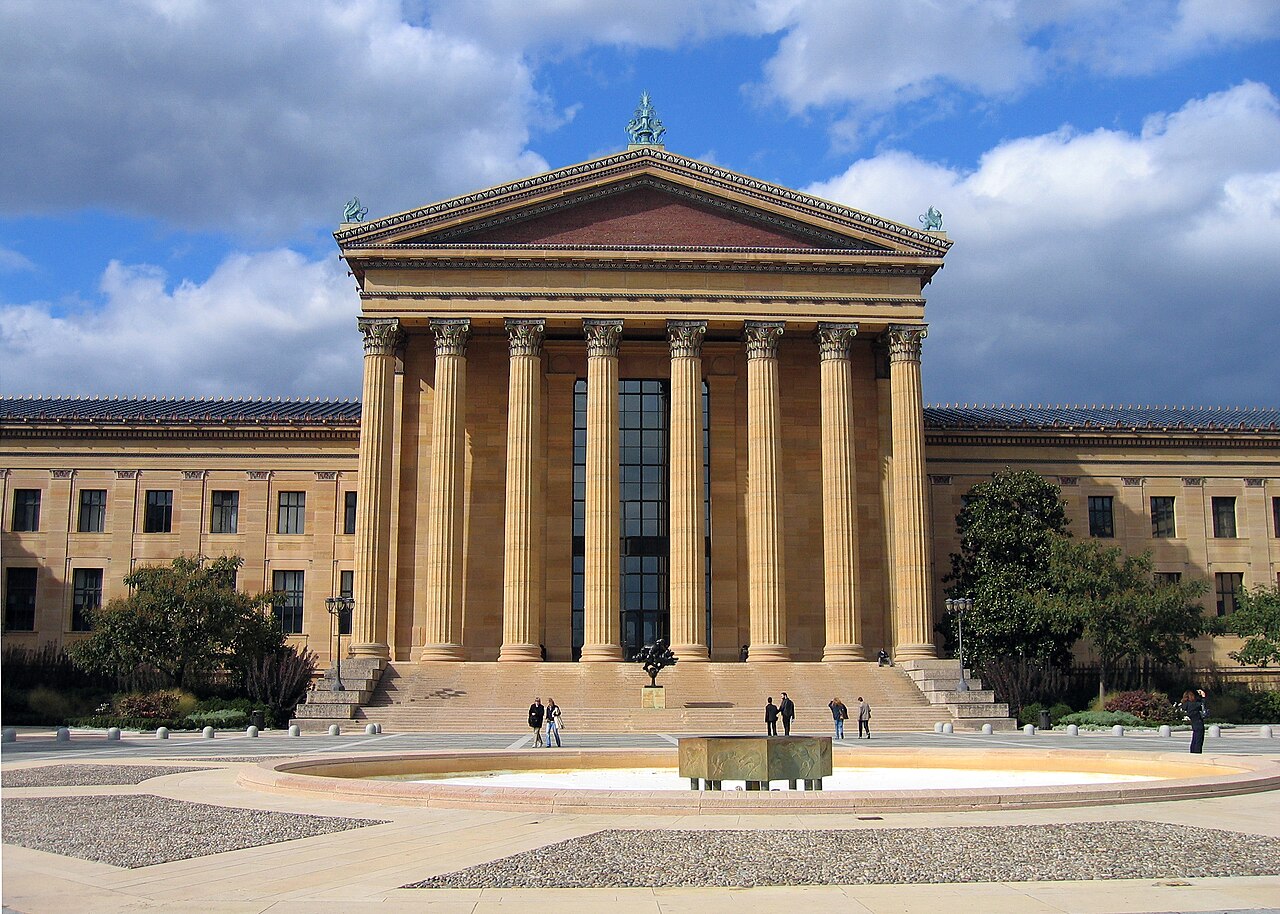
Pay-what-you-wish, if you qualify — or if you time it. New York's two giants run resident pricing: the Met lets New York State residents (and NY/NJ/CT students) name their price at the window; AMNH extends pay-what-you-wish to NY/NJ/CT residents. Philadelphia runs published pay-what-you-wish windows — evening slots and a weekend option — open to everyone, which makes the Rocky Steps temple the corridor's best value play. Chicago publishes resident free and discount days at both the Art Institute and the Field (Illinois IDs ready); 9/11's museum runs a weekly limited free evening.
Paid, but forgiving. Boston's MFA ticket covers a return within ten days — split the half-million works across two visits and it's the best paid ticket in the country. The WWII Museum sells multi-day passes because one day genuinely isn't enough; the Henry Ford's combination tickets beat separates the moment you want two venues. CityPASS-style bundles earn their keep in Chicago (Field plus neighbors); run the math against your actual list before buying.
The calendar strategy. Book in this order: flights, then the pass-gated museums (Air & Space, NMAAHC, the Getty's reservation), then everything paid — because the free ones are the ones that sell out. Weekday openings are the universal upgrade no money buys; resident rules reward whoever in the group actually qualifies buying the tickets; and the honest rule of free days everywhere: they're the most crowded days, so a cheap Tuesday morning usually beats a free Sunday afternoon. Free is a price, not a plan — the pass calendar is the plan.