National Air and Space Museum
The real machines of the two great leaps
⏱ 2-3 hours👤 All ages$
Get Tickets
Get Air & Space Tickets
Skip the line · mobile tickets accepted at the door
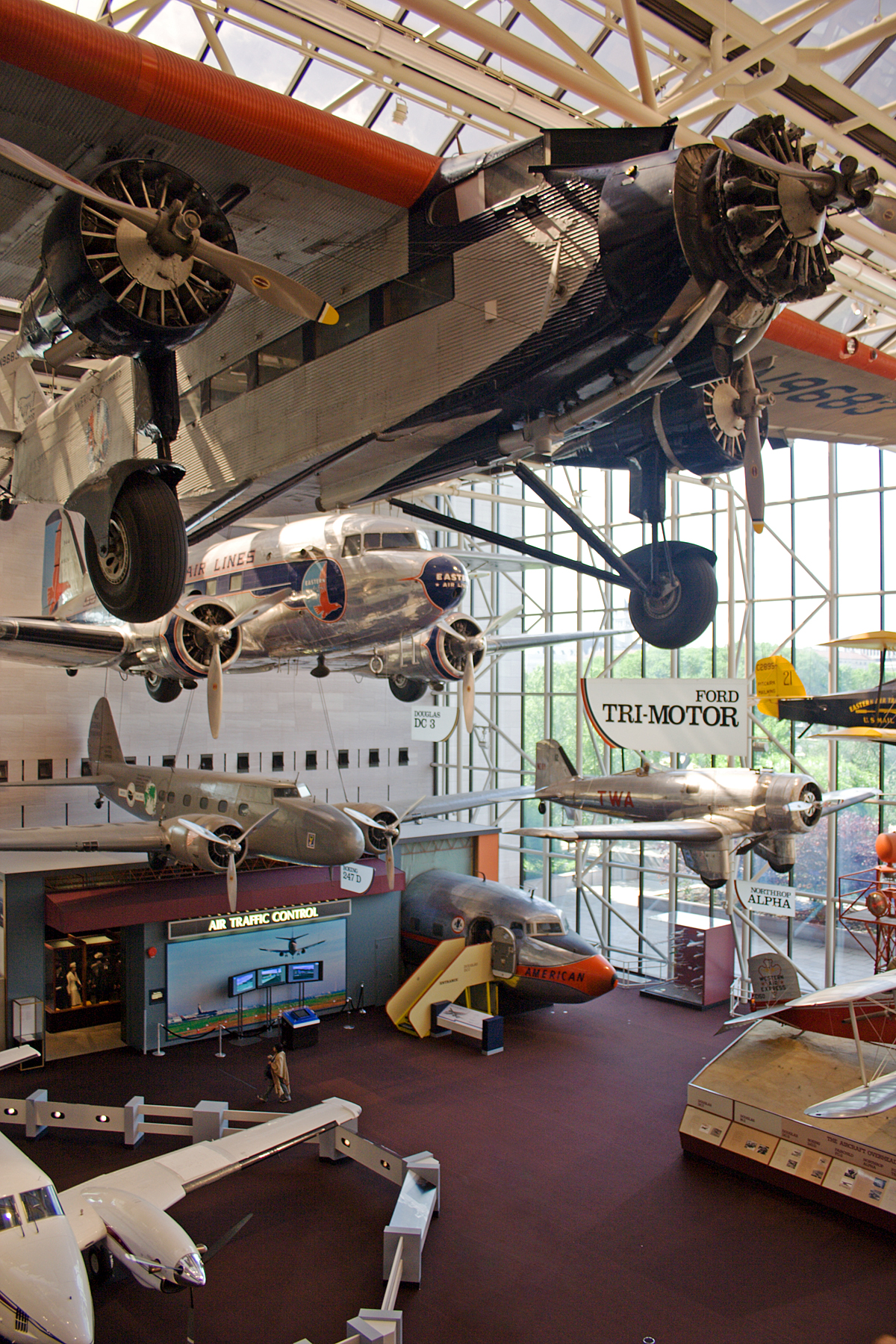
No museum on earth can match the provenance per square foot: the fabric-and-spruce machine that flew at Kitty Hawk in 1903 — not a replica, the Flyer — presented at eye level in its own gallery; the Ryan monoplane Lindbergh flew alone to Paris in 1927 hanging as if mid-Atlantic; the orange X-1 that broke the sound barrier; Glenn's cramped Friendship 7 capsule, scorched exactly as re-entry left it; and the Apollo program's hardware culminating in a lunar module and the touchable sliver of Moon by the entrance. The Smithsonian's genius has always been the real thing, plainly labeled, and Air & Space is that doctrine's cathedral.
The renovation rebuilt the experience around those relics. The project gutted and reimagined the 1976 landmark in phases — new galleries opened in waves, with five more added in mid-2025 and the final rooms completing the museum through 2026 — and the renewed halls trade the old hangar-clutter for storytelling: the Wright Brothers gallery restores the Flyer's drama with the bicycle-shop context; Destination Moon runs Apollo as the thriller it was; America by Air parks full airliners with walk-through cutaways; One World Connected and the new planetarium handle the satellite-age present. The practical upshot of renovation-era visiting: free timed-entry passes are mandatory, released on a rolling schedule, and summer and holiday slots evaporate — book the pass the way you'd book a paid blockbuster, weeks out, mornings first. Two to three hours covers the flagship well.
Then there is the second half of the museum, which many visitors never learn exists: the Steven F. Udvar-Hazy Center near Dulles Airport, the Smithsonian's aircraft hangar at scale, where the artifacts too big for the Mall live — the Space Shuttle Discovery, an Air France Concorde, the SR-71 Blackbird that still holds speed records, and the B-29 Enola Gay, presented with the weight that name carries. Udvar-Hazy needs no passes (parking is the only fee) and rewards the half-day detour extravagantly; aviation-first travelers sometimes rank it above the flagship. Together with the Mall's free neighbors — Natural History, American History, the sculpture gardens — Air & Space anchors the great zero-admission museum day in America; the African American History museum two blocks west (its own pass economy, covered on this site) makes it a weekend.
What to Expect
Format
The Smithsonian's flight cathedral, renewed by a full renovation — the original Wright Flyer, Spirit of St. Louis, X-1, Mercury and Apollo hardware, touchable moon rock, planetarium and IMAX. Free admission, but timed-entry passes required.
Best Time
Morning passes, booked weeks ahead for summer — slots release on a rolling schedule and the free price makes demand brutal. Winter weekdays walk in comparatively easy.
Duration
Two to three hours at the flagship; add a half day if Udvar-Hazy joins the plan.
Tips
Treat the free pass like a paid blockbuster ticket — book early, mornings first. Find the Wright Flyer and Destination Moon before the school groups land. Udvar-Hazy near Dulles (Discovery, Concorde, SR-71) needs no pass and stuns — pair it with an airport day.
⚡ Quick Picks
Best For
Anyone with a pulse for the real thing — the actual first airplane and the actual Moon hardware share a roof.
Families
Touchable moon rock, walk-through airliners, the planetarium — the Mall's best free family anchor, with Natural History next door for the double.
Couples
The early-evening pass slot as the Mall empties, then the monuments walk west at dusk.
Pair With
The free Smithsonian row — Natural History, American History — and NMAAHC two blocks west for the full Mall weekend.
Time Needed
Two to three hours, plus Udvar-Hazy's half day if aviation runs in the family.
Ready to book Air & Space?
Get Tickets →Frequently Asked Questions
Is it really free?
Yes — every Smithsonian is. But the flagship requires free timed-entry passes, released on a rolling schedule, and peak-season slots go weeks out. The price is zero; the planning is not.
Is the renovation finished?
Essentially — galleries reopened in waves through 2025 and the final rooms complete the renewed museum in 2026. What's open is the point: the icon artifacts are all on view, newly staged.
Flagship or Udvar-Hazy?
Both, ideally — the Mall has the Wright Flyer and the Apollo story; the Dulles hangar has Discovery, a Concorde, and the SR-71 with no pass required. Pure aviation hearts sometimes prefer the hangar.
What's genuinely original here?
Nearly everything — the 1903 Wright Flyer, the Spirit of St. Louis, the X-1, Glenn's capsule, Apollo hardware. The Smithsonian doctrine is the real artifact, and this building is its proof.
How far ahead for passes?
Summer and holidays: as soon as your dates firm up — think weeks. Off-season weekdays often have same-week availability. Udvar-Hazy never needs one.
More All Museum Attractions
Browse all →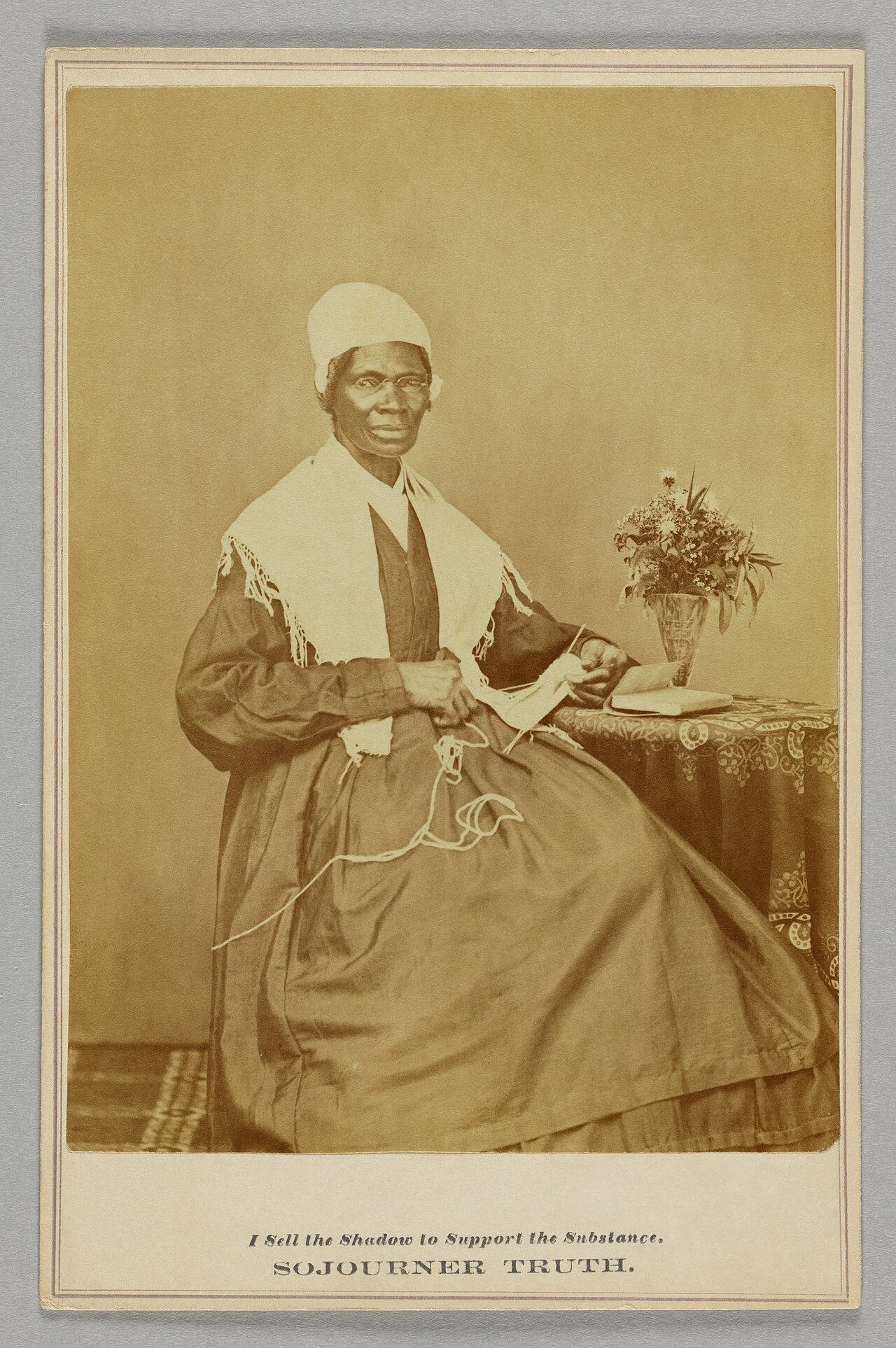
National Museum of African American History and Culture
The bronze corona on the National Mall — the Smithsonian's most powerful museum descends to a slave cabin and Emmett Till's casket, then climbs through the movement to the culture floors. Free, pass-gated, and worth every bit of the planning.
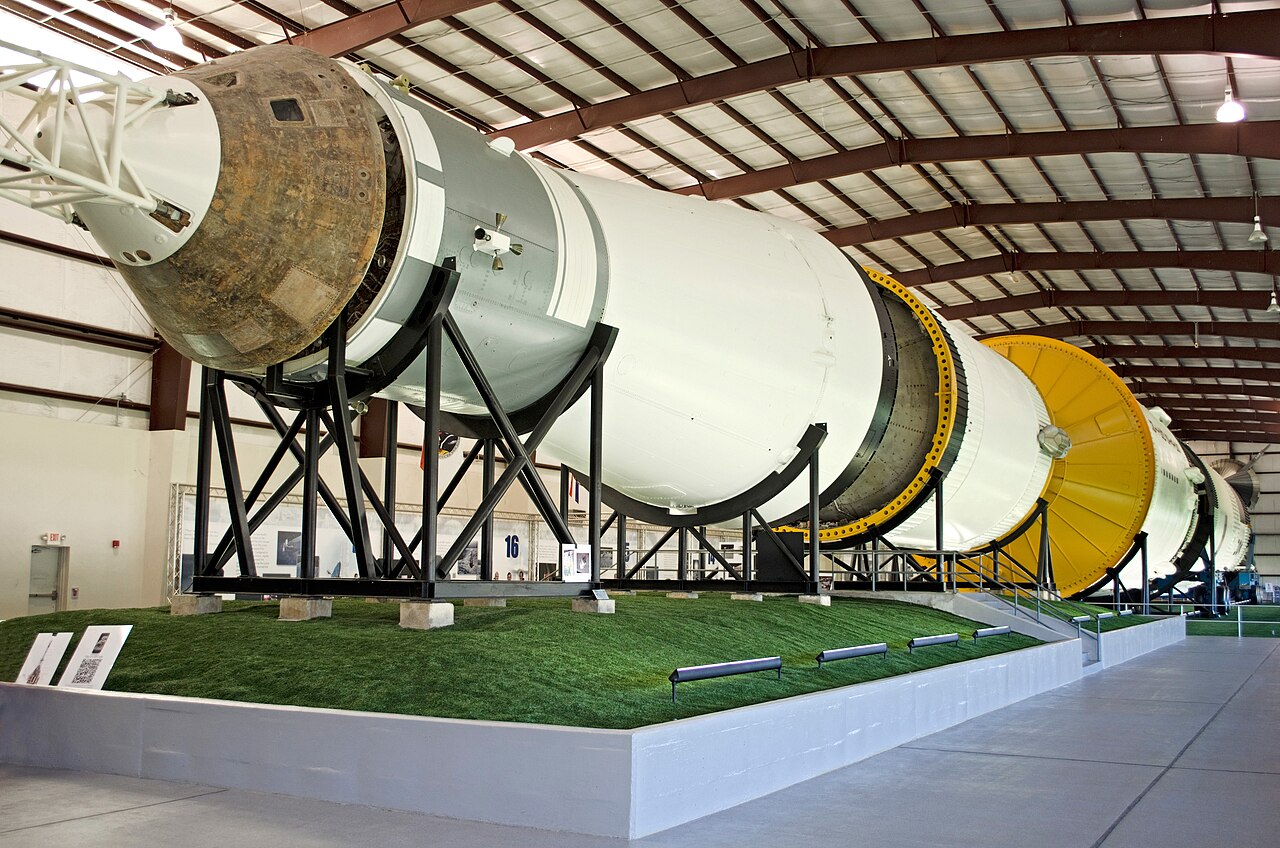
Space Center Houston
The museum with mission control attached — tram tours roll from the galleries into NASA's actual Johnson Space Center, past astronaut training floors to the restored Apollo control room, with a Saturn V, a shuttle piggybacked on its 747, and flown capsules.
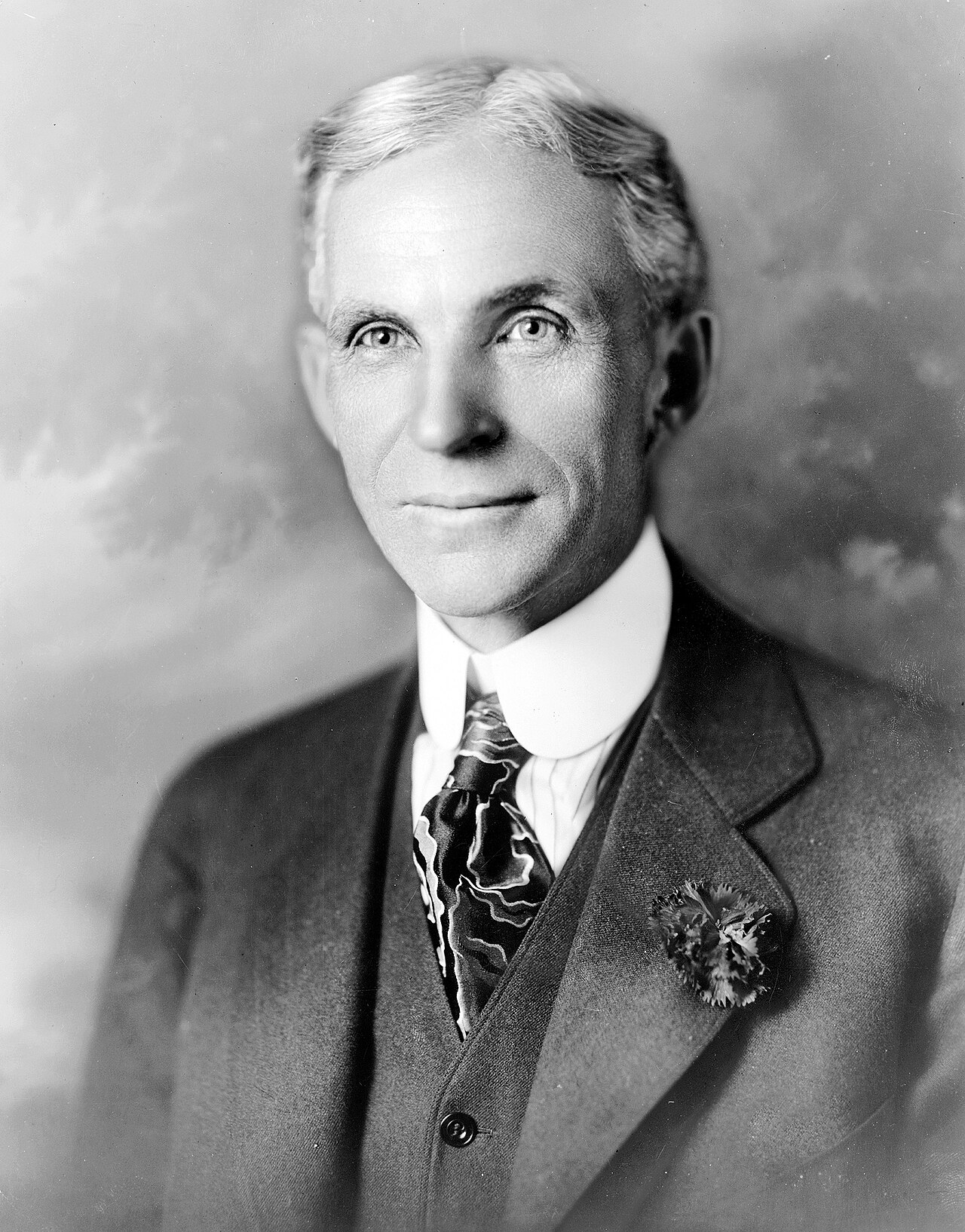
The Henry Ford
America's attic, curated by Ford himself — the Rosa Parks bus you can board, Lincoln's theater chair, the Kennedy limousine, Edison's actual lab moved brick-by-brick into Greenfield Village, and a working F-150 factory tour next door.