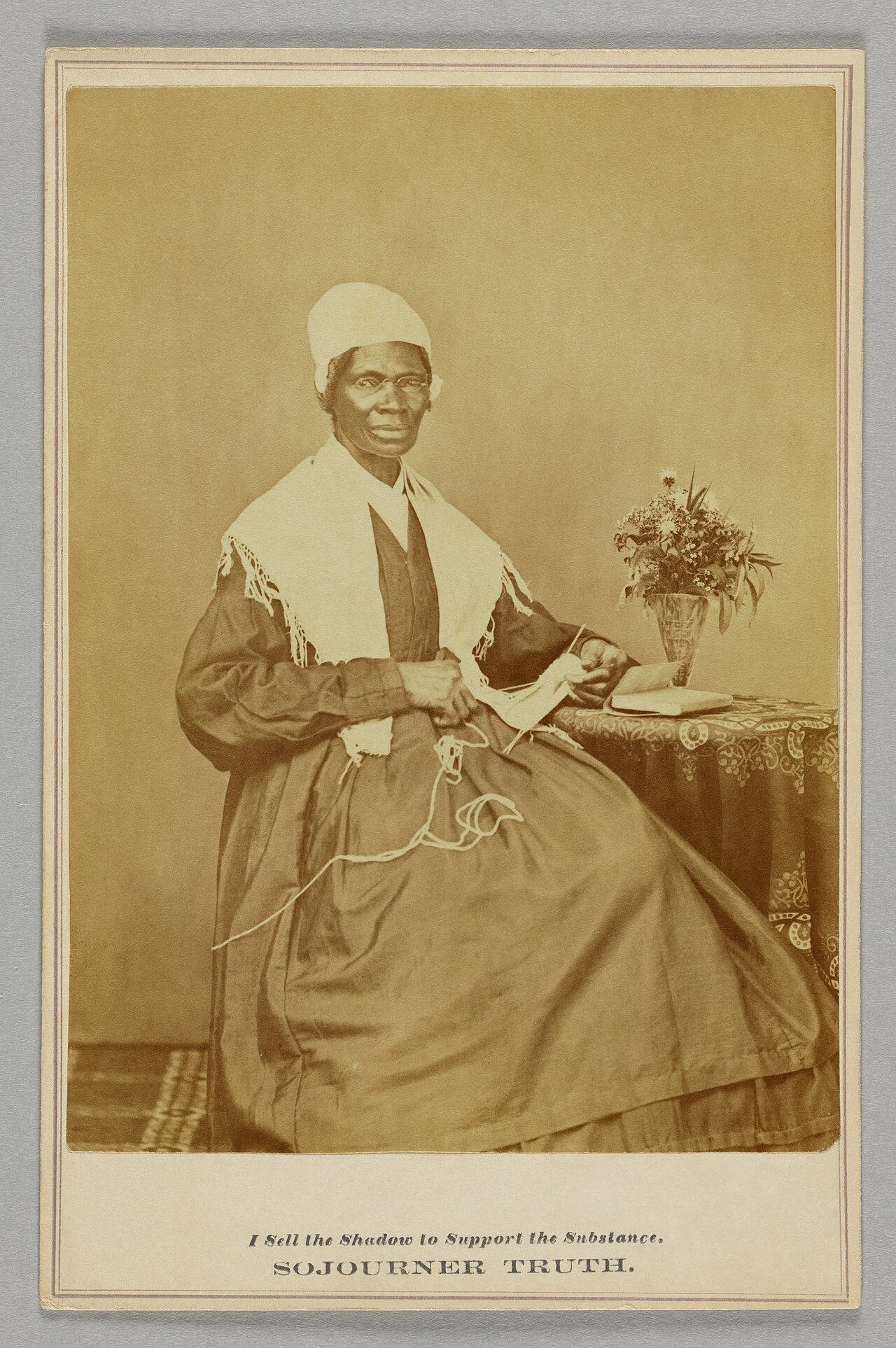
National Museum of African American History and Culture
The Mall's bronze crown, earned
⏱ 3-4 hours👤 All ages$
Get Tickets
Get NMAAHC Tickets
Skip the line · mobile tickets accepted at the door
A century in the asking — the first bill for a national African American museum was introduced in 1915 — the museum that finally rose beside the Washington Monument in 2016 became, immediately, the Smithsonian's most sought ticket and its most emotionally serious building. Adjaye's corona inverts the neighboring monuments' white stone: three tiers of bronze-colored lattice climbing like the crowns of Yoruban sculpture, the filigree cast from patterns enslaved ironworkers hammered into New Orleans and Charleston balconies. The building reads as both crown and crucible, and the exhibition design inside honors the metaphor.
The History Galleries are the descent-and-climb that every visitor describes afterward. Elevators sink sixty feet and six centuries; the path rises chronologically through three below-ground levels — the Middle Passage told through ballast and manifest, the Point of Pines slave cabin standing whole and unbearably small, Nat Turner's Bible, Harriet Tubman's hymnal and shawl — through emancipation's jubilee and its betrayal, the segregated Southern Railway car you walk through, the Greensboro lunch counter, and the chamber holding Emmett Till's casket, kept as a memorial where photography stops and silence tends to happen on its own. The climb surfaces at the Contemplative Court, water falling in a bronze cylinder of light — the architectural exhale the sequence has earned.
The upper floors answer history with culture at full wattage: the Musical Crossroads galleries (Chuck Berry's candy-red Cadillac, Parliament-Funkadelic's Mothership, Marian Anderson's mink from the Lincoln Memorial concert), the sports galleries' Ali and Owens and Williams sisters, visual arts, theater, and the Oprah-funded media halls — joy as the counterweight the building's thesis requires. Logistics, honestly: free timed passes are released on a published schedule and the demand remains the Smithsonian's fiercest, though walk-up windows now open in slower seasons — check the current rules before a trip and build the rest of the Mall day around whichever slot lands. The Sweet Home Café downstairs is a destination in itself (the four stations run regional Black foodways; the fried catfish has reviews like a restaurant's because it earns them). Three to four hours minimum; the History Galleries alone want two. Air & Space and the monuments flank it for the full Mall weekend this market's guides map.
What to Expect
Format
Adjaye's bronze corona on the Mall — the below-ground History Galleries' descent and climb (the slave cabin, the segregated railcar, Emmett Till's memorial chamber), then culture floors of music, sports, and art. Free; timed passes required.
Best Time
Morning passes — the History Galleries deserve fresh attention, and the route builds in intensity. Check the current pass rules and any walk-up windows before the trip.
Duration
Three to four hours; the History Galleries alone run two.
Tips
Start below ground and take the climb in order — the sequencing is the museum's art. Book the pass the moment dates firm. Lunch at Sweet Home Café is part of the visit, not a concession stop. The Contemplative Court is there for a reason; use it.
⚡ Quick Picks
Best For
Every American — the museum most worth the pass hassle in the entire Smithsonian system.
Families
The culture floors welcome all ages; the History Galleries land hard — pace younger kids, and let the museum's own family guides route the sensitive stretches.
Couples
A full morning below, the Court's falling water, then the culture floors' joy — a date that counts as one of the serious kind.
Pair With
Air & Space two blocks east and the Washington Monument at the door — the Mall's essential weekend.
Time Needed
Three to four hours minimum.
Ready to book NMAAHC?
Get Tickets →Frequently Asked Questions
How do the free passes work?
Timed passes release on a published schedule and remain the Smithsonian's most demanded; slower seasons add walk-up windows. Check the current rules when dates firm and book immediately — the price is zero, the competition is not.
What should we see first?
Take the designed route: elevator down to the 1400s, climb the History Galleries chronologically, surface at the Contemplative Court, then the culture floors. The sequence is the museum's masterstroke — don't shuffle it.
Is it appropriate for children?
Yes, with pacing — the History Galleries hold heavy rooms (the Till memorial chamber above all), and the museum provides family guidance for them; the music and sports floors are pure joy at every age.
What stays with visitors?
The slave cabin's smallness, the railcar's two waiting rooms, the Till chamber's silence — and then the Mothership and Chuck Berry's Cadillac, because the museum insists triumph gets the last floors.
Is the café really a thing?
Sweet Home Café is the best museum restaurant in Washington — four stations of regional Black foodways treated as curation. Build it into the schedule.
More All Museum Attractions
Browse all →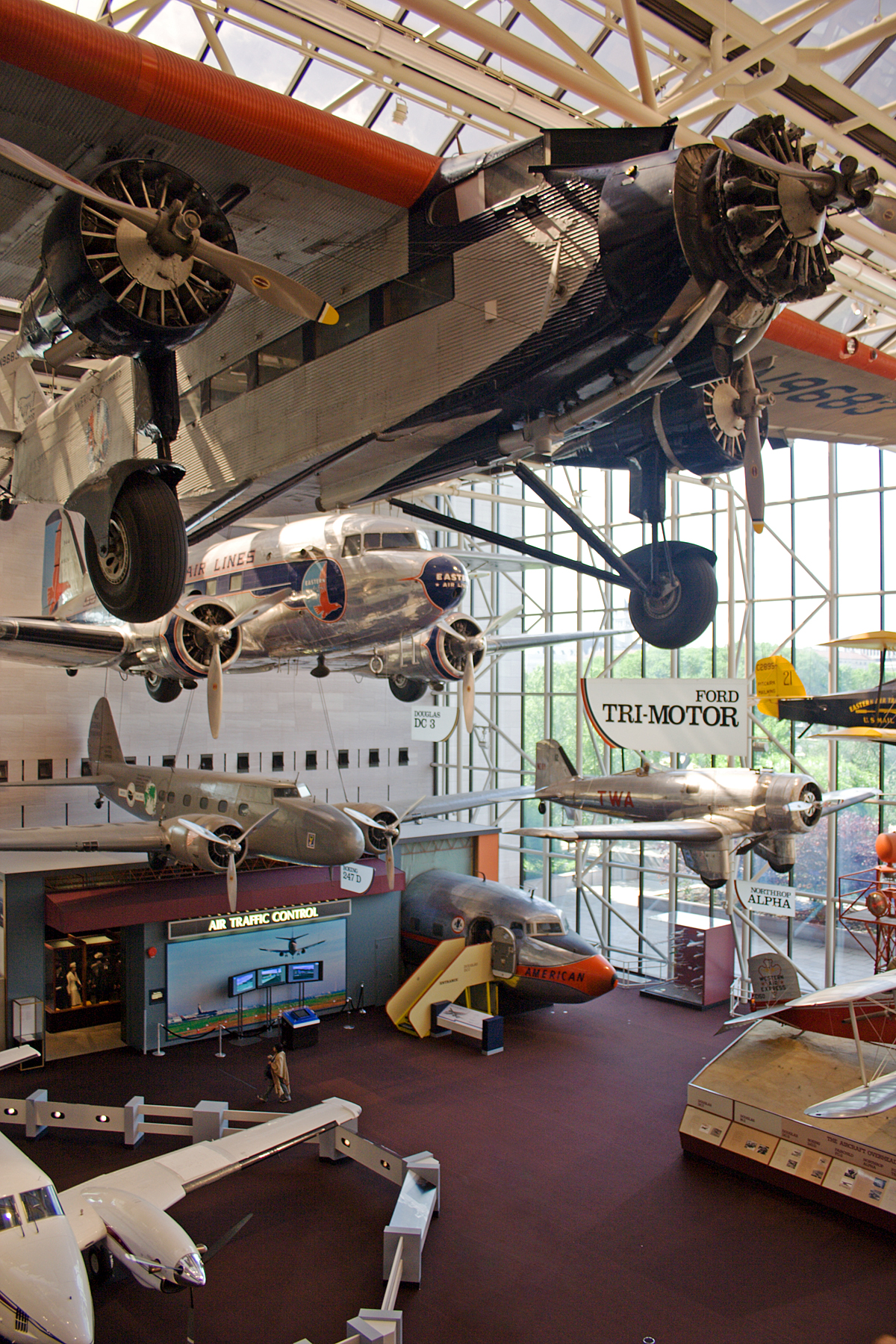
National Air and Space Museum
The Wright Flyer, the Spirit of St. Louis, and the machines that reached the Moon — the Smithsonian's flight cathedral on the National Mall, free as all Smithsonians are but pass-gated, and freshly renewed by a top-to-bottom renovation.
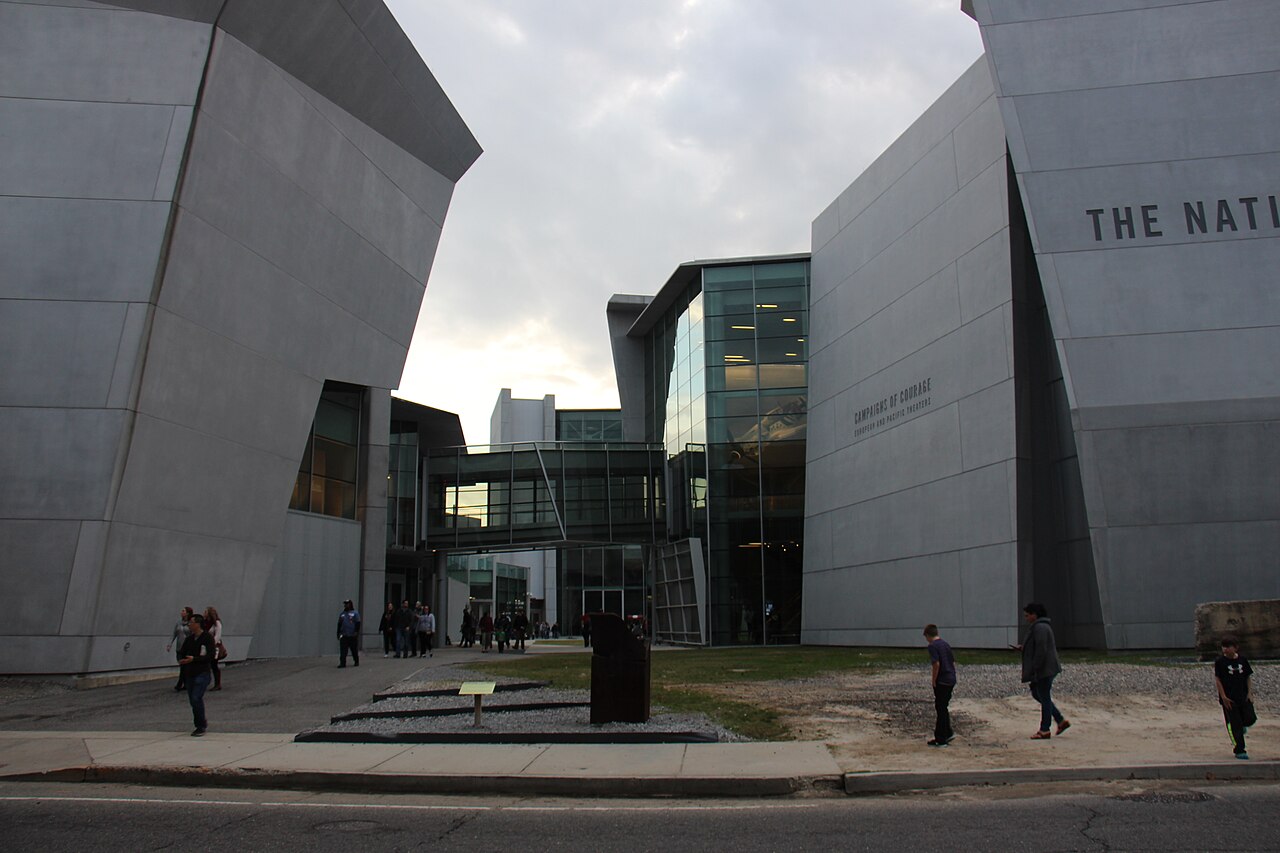
The National WWII Museum
America's #1-rated museum by its visitors, year after year — a six-pavilion New Orleans campus that runs the entire war, from the Higgins boats built blocks away to D-Day, the Pacific, and the new Liberation Pavilion's reckoning with what it all meant.
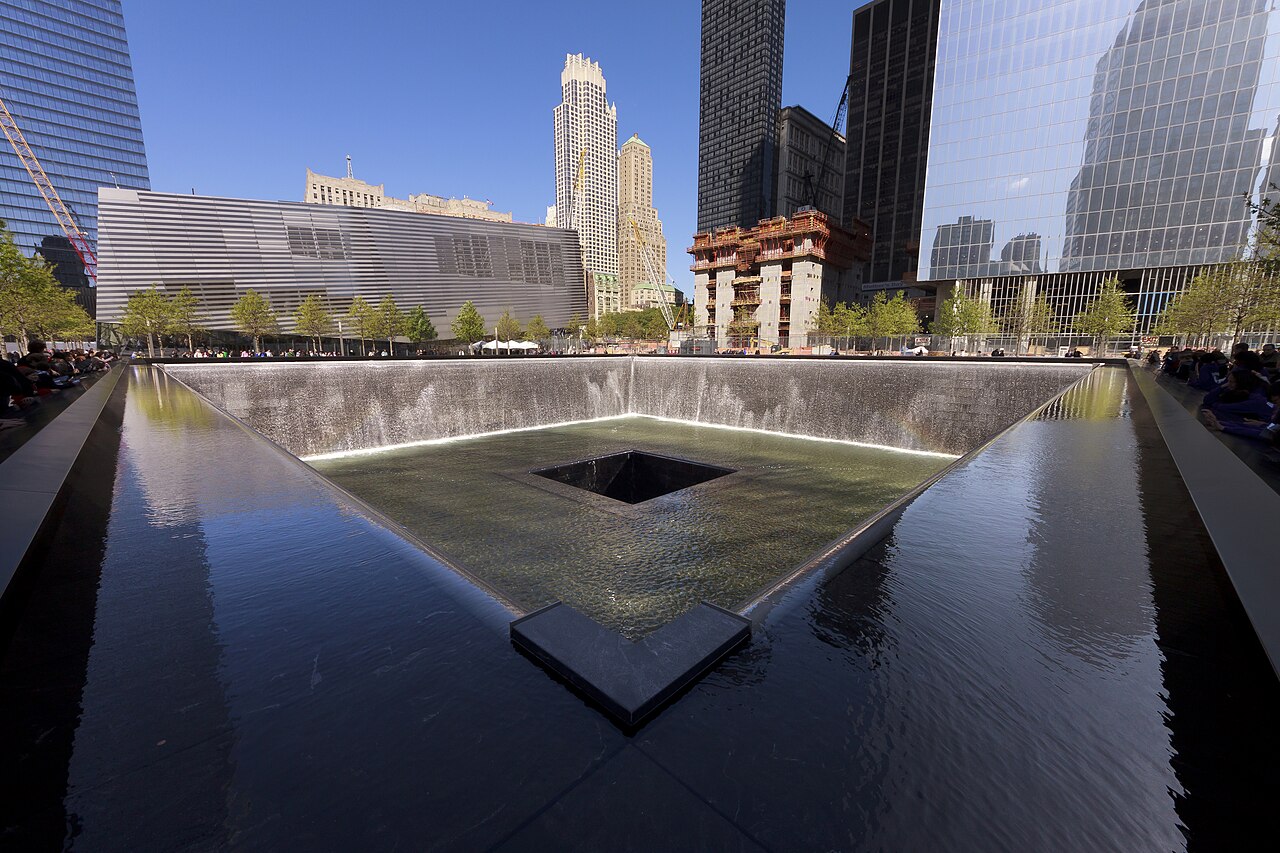
National September 11 Memorial & Museum
The twin reflecting pools in the towers' footprints, and beneath them the museum that holds the day itself — the Survivors' Stairs, the Last Column, the slurry wall. The hardest visit on this list, and among the most necessary.