Museums promise the best rainy-day family wins in travel and deliver the worst meltdowns when run wrong — the variables are the same everywhere, so here is the manual, tuned to this market's 13.
The two-hour truth. Under-10 museum capacity is about two hours of real attention, maybe three with food and a reset — so plan like a heist: pick three anchor exhibits before arriving, route between them, and treat everything else as bonus. First entry slots beat everything (calm galleries, fresh legs, parking that exists); school-year weekday mornings carry field-trip noise that burns off by early afternoon. The forced full-building march is how museum-hating adults are manufactured; two short visits always beat one long one, which is what re-entry tickets (Boston's ten-day window) and memberships are for.
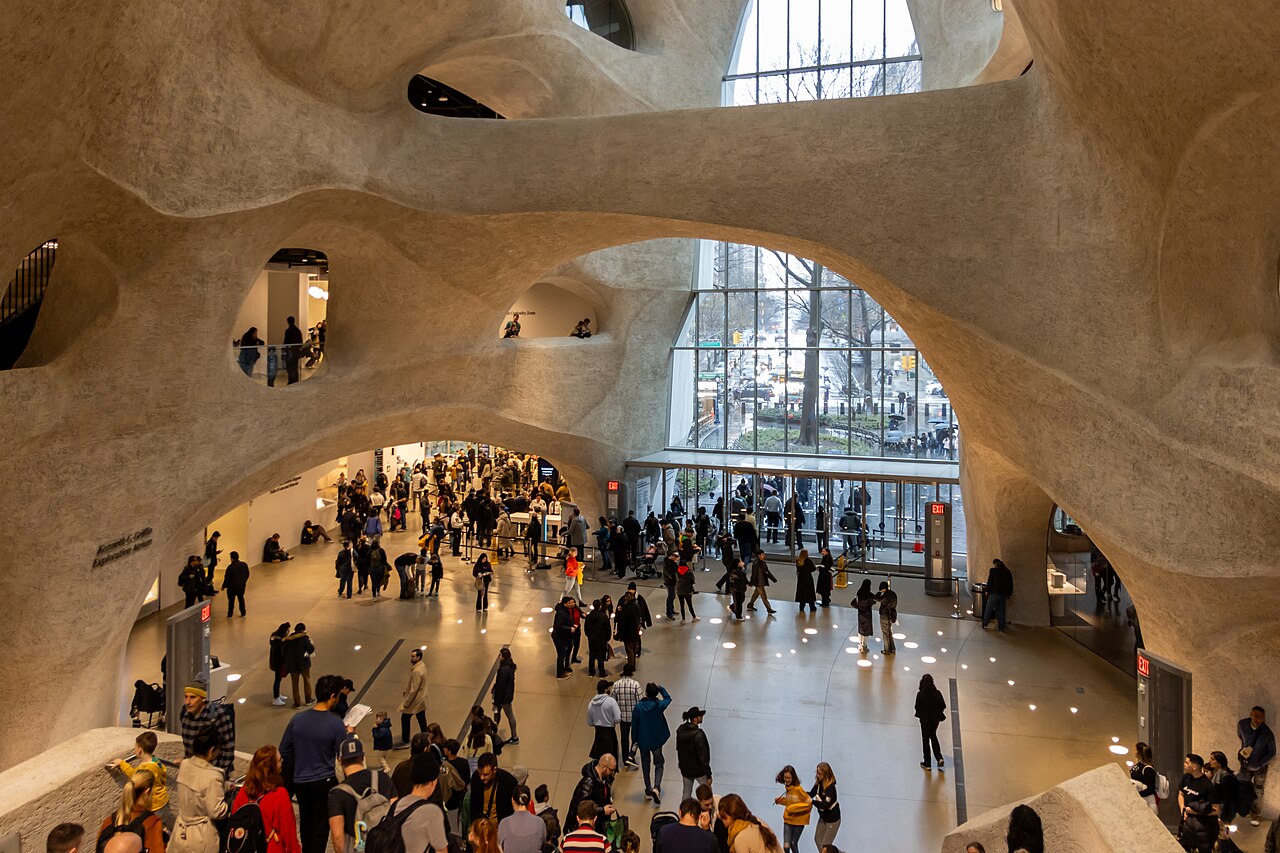
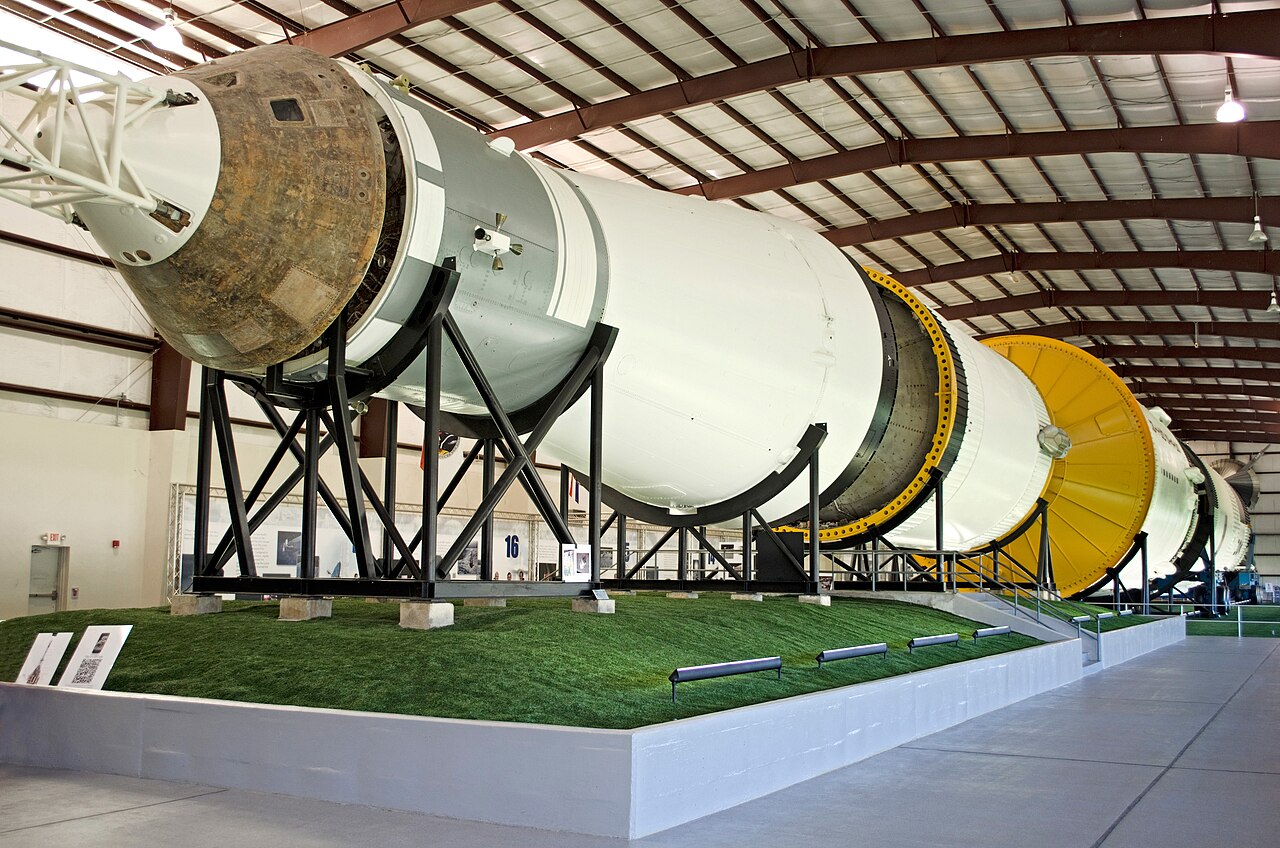
The kid-engineered rankings. Best overall under-10 building: the American Museum of Natural History — dinosaurs, the whale room's benches, the Gilder Center's butterflies and ant highway, a subway that enters the basement. Best single moment: the Field's SUE gallery, with touchable Máximo one floor down. Best full-day with machines: the Henry Ford — board the Rosa Parks bus, ride a Model T, watch glassblowers, and nobody checks a phone. Best space day: Houston's trams and the shuttle-on-a-747 stack. Best free anchor: Air & Space (passes first — the moon rock is touchable) with Natural History next door on the Mall. Walk-through architecture for short legs: Philadelphia's cloister and teahouse. The Met with kids is a three-stop heist — armor, mummies, Dendur — and better than its reputation if you honor the two-hour truth.
The touch-and-climb hierarchy. Under 5: anything boardable or touchable — Máximo's leg, the moon rocks (DC and Houston both), the Parks bus, Greenfield Village's trains. Ages 5-9: the golden window — dinosaur halls, armor courts, the butterfly vivarium, tram tours, the Franklin-style science floors. Tweens and teens: hand them the map and the routing job, book the behind-the-scenes layer (Houston's control-room tours, the WWII museum's dog-tag narrative that hooks exactly this age), and let the 9/11 and African American History museums do what textbooks can't — both publish family guidance for their hard rooms; use it and pace the day gently after.
Meltdown engineering. Feed before entering (museum cafe queues at noon are where mornings die); the gift shop goes last with a stated budget; one adult owns the map, the other owns the pace; and every museum on this list has a reset room — the whale room, the Getty's gardens, the Met's Dendur benches, the Contemplative Court — learn yours at entry. Strollers: check the bag rules before the trip, not at the door.
Membership math. Two visits generally equal a family membership anywhere on this list — and reciprocity networks (art museums' and science centers' both) turn one hometown membership into discounted entry across half the roster. Families doing a museum summer should buy once, strategically, before the first trip: it is the best-kept math in family travel.