California Academy of Sciences
Four museums under one living roof
⏱ 3-4 hours👤 All ages$$$
Get Tickets
Get Cal Academy Tickets
Skip the line · mobile tickets accepted at the door
The Academy dates to 1853, one of the oldest scientific institutions in the American West, and it remains a working research museum with millions of specimens and scientists who study biodiversity from the Philippines to the deep ocean. The 1906 earthquake destroyed its downtown building, and the move to Golden Gate Park followed; the Piano building replaced the earthquake-damaged older halls and was designed as one of the greenest museums in the world, with the planted roof cooling the building and attracting native pollinators. The numbers are part of the wonder: the living roof holds about 1.7 million native California plants set in some 50,000 biodegradable coconut-husk trays, the six largest aquarium tanks together hold more than 500,000 gallons, and the building covers 410,000 square feet, about 100,000 of them open to the public.
The visit craft: arrive near opening, reserve a planetarium show time first, then join the rainforest line before it builds. After the rainforest, the elevator drops into the aquarium, which is the natural next stop; give the coral reef and the tunnel time. African penguin feedings in Tusher African Hall happen twice daily, mid-morning and mid-afternoon, and draw crowds, so claim a spot at the glass a few minutes early; the Philippine Coral Reef also hosts daily programs with divers in the tank. Inside the rainforest, take the ramp slowly: it climbs from the forest floor to the canopy, with macaws, a tree boa and free-flying birds and butterflies along the way. The Shake House in the California: State of Nature exhibit simulates the 1906 and 1989 Bay Area earthquakes, a sobering and popular stop. Head to the living roof in good weather for views of the park and the de Young Museum across the music concourse. The cafe and the restaurant both work for lunch.
Practicals and fit: 55 Music Concourse Drive in Golden Gate Park, four hours, timed entry recommended, best reached by Muni or rideshare. Pair it with the de Young Museum facing it across the concourse, the Japanese Tea Garden next door, or a walk through the park toward Ocean Beach. Hours are typically 9:30 a.m. to 5 p.m. Monday through Saturday and 11 a.m. to 5 p.m. on Sunday — confirm on the official site before you go.
What to Expect
Format
Aquarium, planetarium, a four-story rainforest and a natural history museum under one green roof in Golden Gate Park. Timed entry; planetarium seats reserved on the day.
Best Time
Weekday mornings; on weekends arrive at opening to beat the rainforest line.
Duration
Three to four hours.
Tips
Reserve your planetarium show as soon as you arrive. Do the rainforest early, then take the elevator down to the aquarium. Use Muni or rideshare — parking is limited. NightLife evenings are adults only.
⚡ Quick Picks
Best For
An all-in-one science day — four museums under one roof.
Families
Penguins, a rainforest, an aquarium tunnel and an earthquake simulator — kids rarely want to leave.
Couples
Adults-only NightLife evenings with music and the exhibits after dark.
Pair With
The de Young Museum across the concourse and the Japanese Tea Garden next door.
Time Needed
Half a day in Golden Gate Park.
Ready to book Cal Academy?
Get Tickets →Frequently Asked Questions
What is included in admission?
General admission covers the Steinhart Aquarium, the rainforest dome, the natural history exhibits and planetarium shows, which are reserved by time on the day.
How do I get the best planetarium seats?
Reserve a show time as soon as you arrive — popular slots fill quickly on busy days. The reservation kiosk sits outside the planetarium entrance, and the Morrison Planetarium projects onto a 75-foot digital dome, so the center rows are the most immersive.
Is there parking?
There is a paid garage under the music concourse, but it fills on weekends; Muni buses and rideshare are usually easier.
What is NightLife?
Adults-only evening events on Thursdays with music, bars and access to the exhibits — a separate ticket for those 21 and over.
How long should we spend?
Three to four hours covers the rainforest, aquarium, a planetarium show and the living roof.
More All Museum Attractions
Browse all →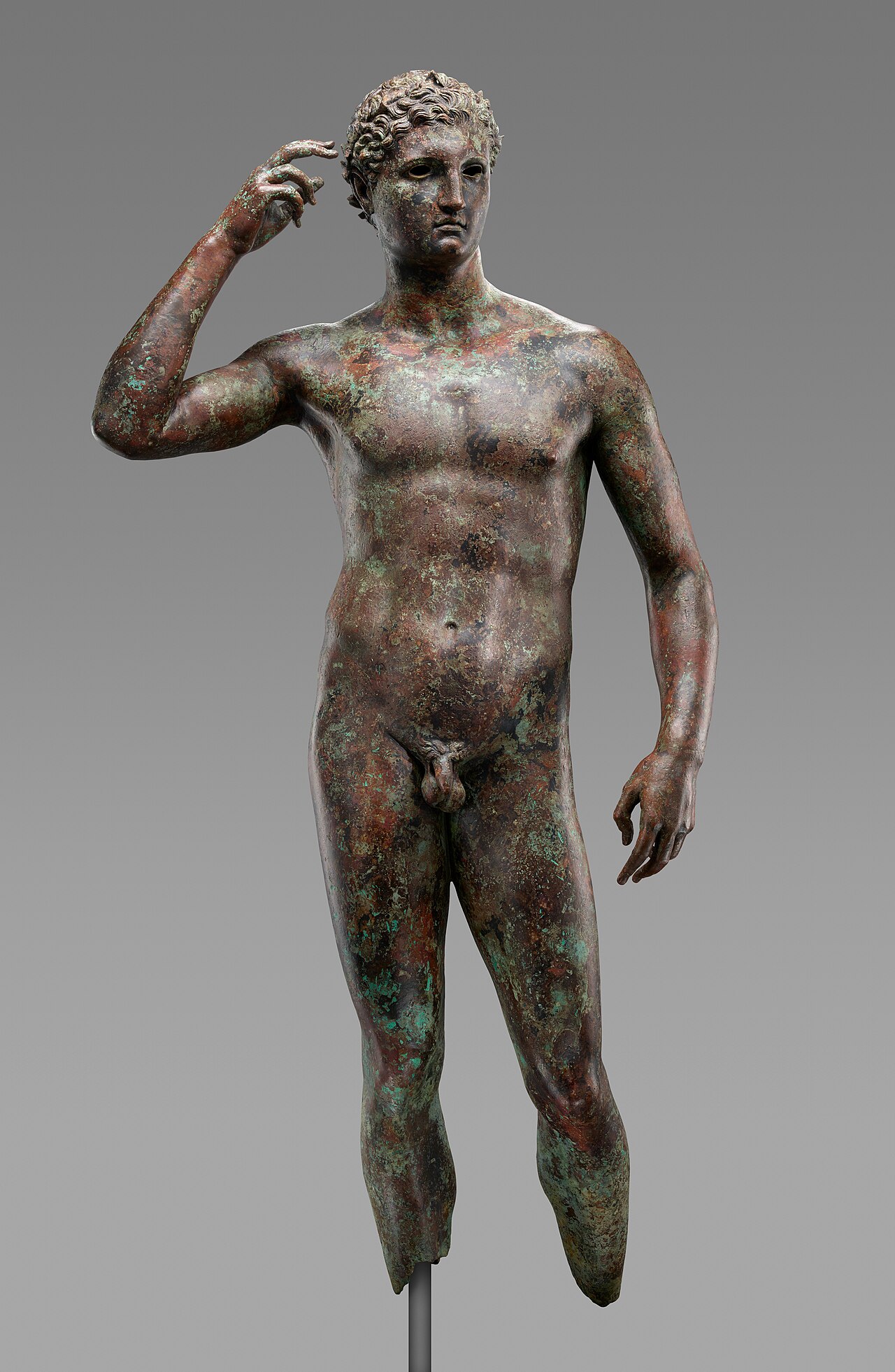
Getty Center
A travertine acropolis above Los Angeles — Richard Meier's billion-dollar hilltop holds Van Gogh's Irises, Rembrandts, and manuscript gold, wrapped in gardens and the city-to-ocean panorama. Admission free; you pay only to park.
American Museum of Natural History
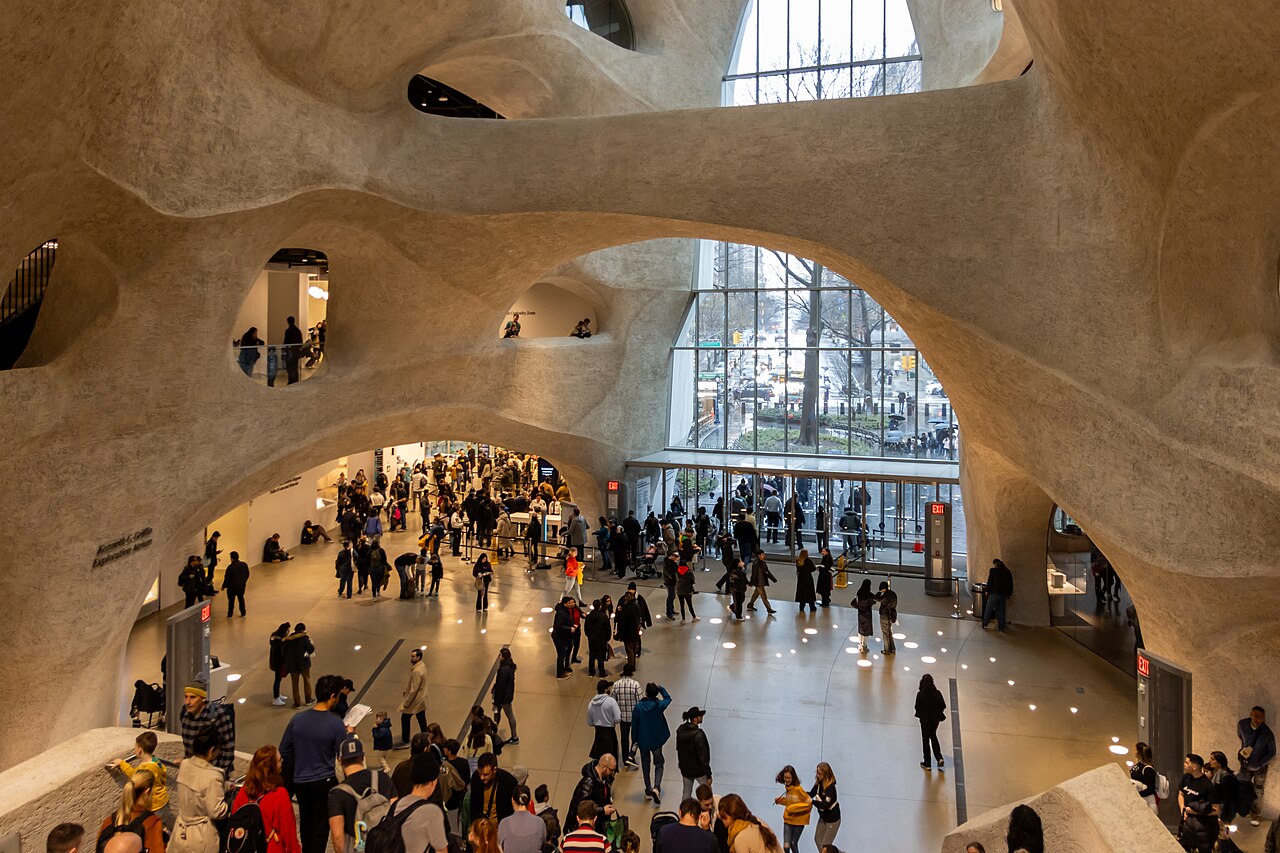
The dinosaur halls, the blue whale, and the dioramas that invented the genre — four city blocks of natural wonder on Central Park West, now with the Gilder Center's canyon-like halls and a butterfly vivarium. The great American family museum.
Field Museum
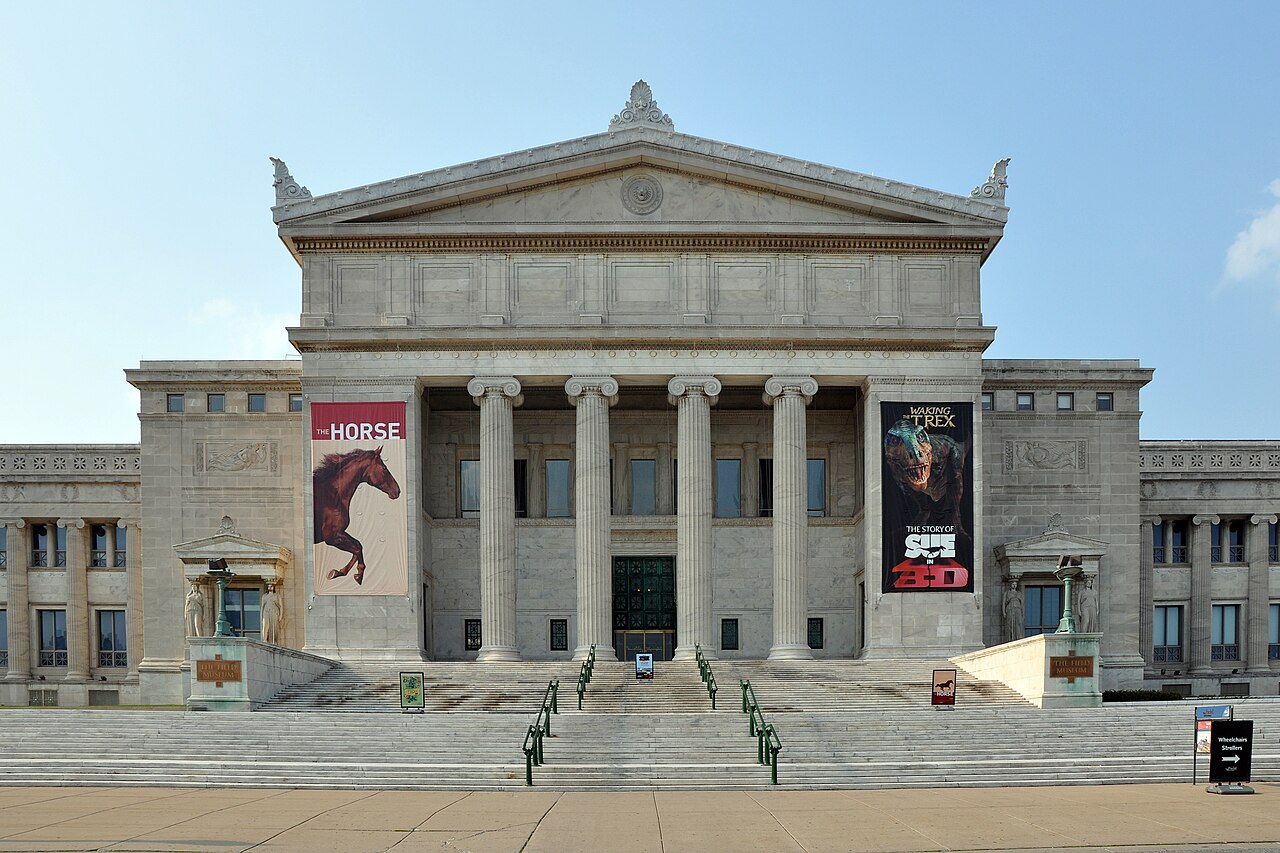
SUE the T. rex — the most complete ever found — holds court in a marble temple on Chicago's Museum Campus, backed by a 122-foot titanosaur, a walk-through Egyptian tomb, man-eating lions, and natural history at imperial scale.